Web Design · Florida
Landing Page Design in Florida
One promise, one action, message-matched to the ad that sent the click — and instrumented so you learn something.
- Years in search
- 10+
- Florida-specific issues
- 3
- Main cities covered
- 6
- Business analysis first
- Free
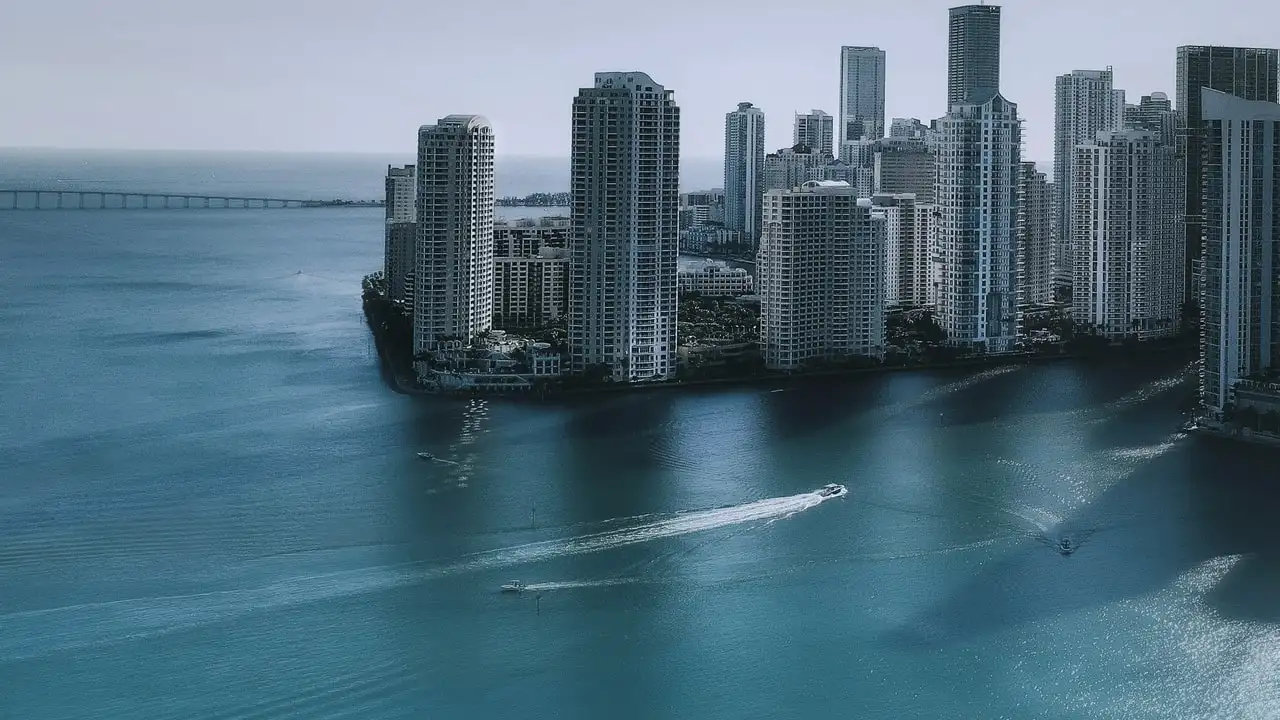
This market
Why this looks different in Florida
Florida landing pages fail most often on a single decision: running one page across four metros. Miami, Tampa, Orlando and Jacksonville have different competitive positioning, different seasonal timing and — in South Florida — a different language, so a page written to work everywhere carries no specific relevance anywhere.
Two further requirements are genuinely Florida-specific. Bilingual variants for South Florida, written rather than translated, because translated pages read as translated to exactly the audience they are meant to convert. And storm-ready emergency pages built and tested before the season, since a demand window measured in days offers no opportunity to iterate on a page you are seeing traffic on for the first time.
Florida specifics
What actually gets in the way here
These are conditions particular to this market. If they were true everywhere, they would not be worth a page.
-
Local condition 01 Specific to Florida, not true everywhere
One page across four structurally different metros
Miami, Tampa, Orlando and Jacksonville differ in competition, cost, season and language. A page written to work in all four has no specific relevance in any, which shows up as a flat conversion rate nobody can explain.
-
Local condition 02 Specific to Florida, not true everywhere
Translated Spanish variants that read as translated
South Florida audiences notice immediately. A machine-translated page signals afterthought to the audience it was built to convert, which is worse than running English only.
-
Local condition 03 Specific to Florida, not true everywhere
Emergency pages seeing traffic for the first time during a storm
Storm demand arrives in days. A page that has never been load-tested or conversion-tested is being debugged live at the most expensive moment of the year.
Our approach
How we run Landing Page Design in Florida
The same four stages we run everywhere, applied to this market's conditions. The sequence matters more than any individual tactic.
Step 01 Offer, audience and promise
We establish exactly what is being offered, to whom, at what stage of awareness, and what specific promise the traffic source is making. That promise becomes the page's headline, so this step determines the page rather than describing it.
Step 02 Structure the argument
We sequence the page as an argument: promise, then how it works, then proof, then objection handling, then the action — with the action repeated at each point where a reader might be convinced. Structure is decided before any visual design.
Step 03 Build lean and instrument fully
Development with a hard performance constraint, tracking configured before launch rather than after, and form analytics in place so the first week of traffic produces data rather than just outcomes.
Step 04 Test what is actually uncertain
Testing prioritised by uncertainty and traffic volume — headline and offer first, since they carry the most variance, cosmetic elements last or never. We are explicit about what your traffic volume can and cannot resolve statistically.
Before you start
Three things worth knowing in Florida
Local tip
Build and small-budget test your storm pages in May. Discovering that your form is broken or your page takes eight seconds on a degraded connection during an actual event costs you the entire window.
How we would measure it
Cost per qualified lead reported per metro and per language, with storm-page performance measured against a pre-season test rather than assessed for the first time during an event.
What this costs in Florida
From $1,500
Florida landing page sets run $3,000–$12,000 depending on metro and language variants. Bilingual pages are priced above English variants because they need native writing and their own keyword research rather than a translation pass.
See the Website Development planProof
What we can stand behind
One documented client result, two facts about how we work, and the market data explaining the conditions Landing Page Design operates in. Each figure is labelled with what it is.
- Documented client result 84%
Organic traffic increase in 3 months
- Company history 10+
Years running search and paid campaigns
- Service model 3
Disciplines under one roof — SEO, paid media, web design
The 84% figure is a documented result for a single client, not a projection of typical performance in this market. The market figures are published statistics from the sources named, included because they explain the environment rather than because they are our results.
See the before-and-after data: our fence contractor SEO case study
Nearby markets
Landing Page Design in markets adjacent to Florida
Adjacent markets are not interchangeable — each of these pages is written around that market's own competitive conditions.
- Landing Page Design in St. Petersburg, FL St. Petersburg, Gulfport, Pinellas Park
- Landing Page Design in Tampa, FL Tampa, Temple Terrace, Brandon
- Landing Page Design in Georgia Atlanta, Savannah, Augusta
- Landing Page Design in Texas Houston, Dallas, Austin
- Landing Page Design in California Los Angeles, San Francisco, San Diego
- Landing Page Design in Illinois Chicago, Naperville, Aurora
- Landing Page Design in New York New York City, Buffalo, Rochester
What usually runs alongside this in Florida
- Custom Website Design in Florida Sites designed around the search architecture and conversion path first, then made beautiful.
- Google Ads in Florida Search campaigns optimised toward qualified leads and revenue, not clicks and impression share.
- PPC Management in Florida One operator across every paid channel, allocating budget on evidence rather than on which platform had a good month.
Every other service in Florida
- Local SEO
- Website SEO
- AI SEO
- Technical SEO
- Social Media Management
- App Design
- Website Redesign
- Social Media Ads
See the Landing Page Design overview or everything we do in Florida.
Landing Page Design in Florida, answered
Should we run separate landing pages per Florida metro?
Yes for anything where the local claim carries weight, which is most local service categories. The metros differ enough that a single page cannot be specifically relevant anywhere: Miami has bilingual demand and international character, Tampa has strong neighbourhood identity, Orlando has tourism-driven seasonality, and Jacksonville behaves like a regional Southeast city. A page written to work in all four ends up saying "serving Florida" rather than anything a searcher recognises, which is a weaker relevance signal than naming their actual market. The production cost is lower than it sounds, because the page structure, tracking and design system are shared and only the headline, proof and local references change. Where budget genuinely cannot support four variants, the better answer is usually to concentrate spend on one metro and win it rather than spread thinly with a generic page.
How do we build Spanish-language landing pages that actually convert?
By writing them in Spanish rather than translating into them, which is a genuine capability requirement rather than a preference. South Florida audiences register machine translation immediately — the phrasing is subtly wrong in ways native speakers notice — and it signals that they were an afterthought, which undermines exactly the trust a landing page exists to build. Done properly this means the offer, the headline and the objection handling conceived in Spanish with their own phrasing, and keyword research done directly in Spanish so the ad and page match how people actually search. Given how much thinner competition is for Spanish-language commercial queries in Miami-Dade and Broward, a page that reads as genuinely native rather than converted stands out considerably, and the cost per lead frequently comes in well below the English equivalent.
What does a storm-ready landing page need before the season?
To exist, to have been tested under realistic conditions, and to be editable by somebody non-technical from a phone. The demand window after a named storm is measured in days with auction costs rising sharply, so a page seeing its first traffic during that period is being debugged at the most expensive moment of the year. Before the season we want it built, load-tested on a throttled mobile connection because that is how the traffic arrives, conversion-tested with a small budget so the form and call tracking are known to work, and structured for urgency — tappable phone number visible without scrolling, availability and response time stated plainly, minimal third-party scripts since chat widgets are what stall a page on a degraded network. The editable requirement matters because availability changes hourly during an event.
How should budget be paced across Florida markets and seasons?
Per metro against each market's own demand curve, rather than as a flat statewide monthly figure. The seasons genuinely do not align — Southwest Florida peaks with winter residents, Orlando tracks tourism with holiday spikes, North Florida barely moves — so a single statewide budget is wrong for most of the state most of the time, overspending where demand is flat and getting outbid where it triples. Cost per click for equivalent intent can also differ by more than double between Miami and Jacksonville, which means a shared bid strategy systematically buys the least valuable traffic available. Practically this means a budget that varies by metro and by month, and for storm-adjacent categories a reserve that can be deployed within a day rather than requiring an approval cycle.
Coverage area
Serving Florida and Surrounding Neighborhoods
Our team works from St. Petersburg, FL, and covers Florida alongside the surrounding communities below.
Neighborhoods and communities we cover
- Downtown Tampa
- Downtown St. Pete
- Winter Park (Orlando)
- Brickell (Miami)
- Riverside (Jacksonville)
- Las Olas (Fort Lauderdale)
Zip codes served
- 33602
- 33701
- 32801
- 33101
- 32202
- 33301

Stop paying for clicks your page talks past in Florida
Send us a campaign and its landing page and we will tell you where message match breaks, where the form leaks, and what we would test first given your actual traffic volume.